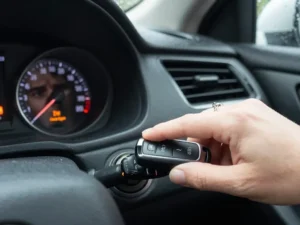
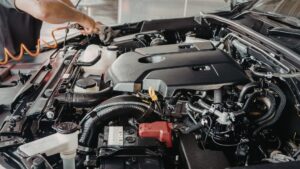
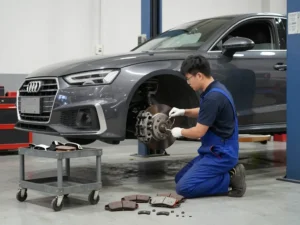
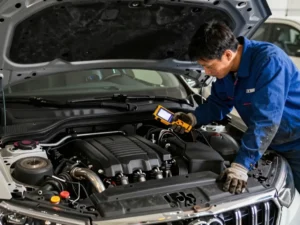
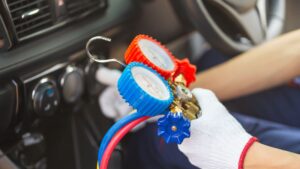
Audi brake issues are common for many drivers, but fixing them doesn’t have to be daunting. Whether your Audi brakes are making noise, your Audi brake fluid needs changing, or you suspect an issue with your brake pads or brake rotors, this guide will walk you through everything you need to know to fix your Audi brakes.
Why Audi Brakes Fail: Common Causes
1. Worn-Out Brake Pads
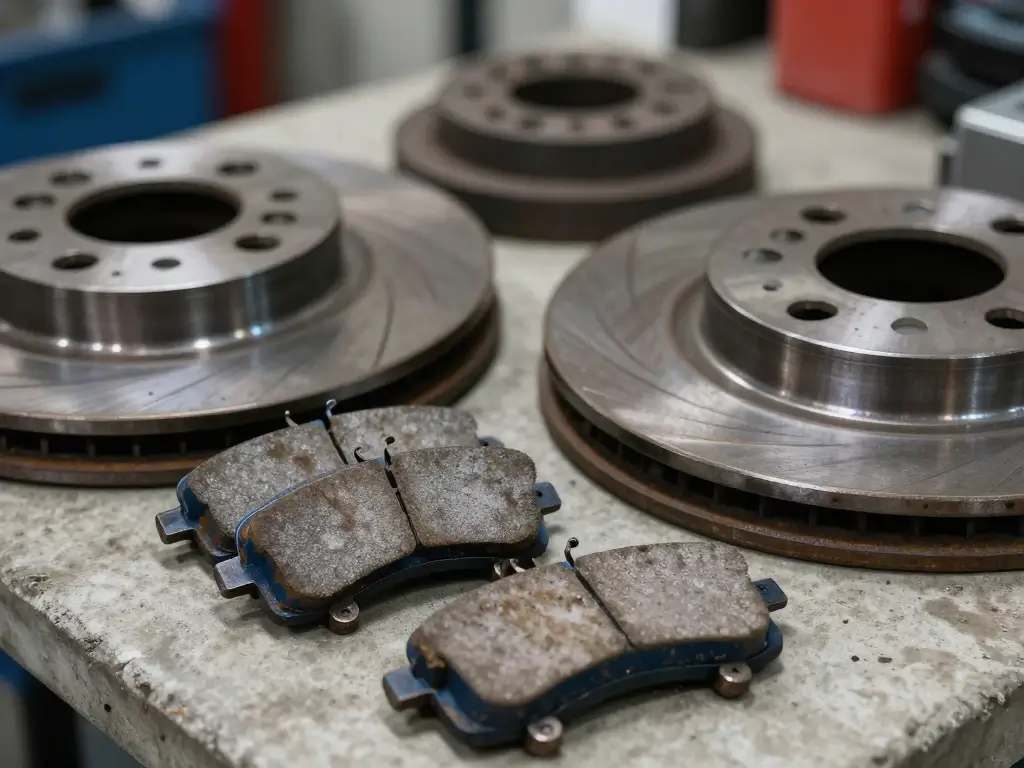
Audi brake pads wear down over time due to constant use. If your Audi brakes are squeaking, it’s often a sign that your brake pads are nearing the end of their life. Regular inspection and replacement of the brake pads are essential to ensure safe braking performance.
Tip: Always use high-quality Audi brake pad replacement parts to guarantee optimal performance.
2. Low or Leaking Brake Fluid
Brake fluid is vital for smooth braking, and a low brake fluid level can cause your Audi brake pedal to feel soft or even lead to brake failure. If the Audi brake fluid warning light is on, it’s crucial to check your brake fluid immediately.
Tip: Don’t drive your Audi when the brake fluid is low, as it can affect the effectiveness of your braking system.
Need a brake fluid change? Book a service at Quick Car Fixer.
3. Overheating of Brake Components
Braking generates heat, and overheating brake components can cause your Audi brakes to feel soft or unresponsive. This is often caused by excessive driving in Dubai traffic or extended braking periods.
4. Contaminated Brake Fluid
Contaminated brake fluid can result from moisture or debris entering the brake lines. If your Audi brake fluid has a dark color or is contaminated, it’s time for a replacement.
Step-by-Step Guide to Fixing Audi Brakes
1. Inspecting Your Audi Brakes
Before beginning any repair, inspect the brake pads, brake calipers, rotors, and brake fluid. If your Audi brakes are making noise or if you feel vibrations when applying the brake, this is a sign of wear or damage.
2. Gathering Tools for Audi Brake Repair
You’ll need the following tools for Audi brake repair:
- Jack and jack stands
- Socket wrench
- Brake fluid
- New brake pads and brake rotors
3. Removing the Old Brake Pads
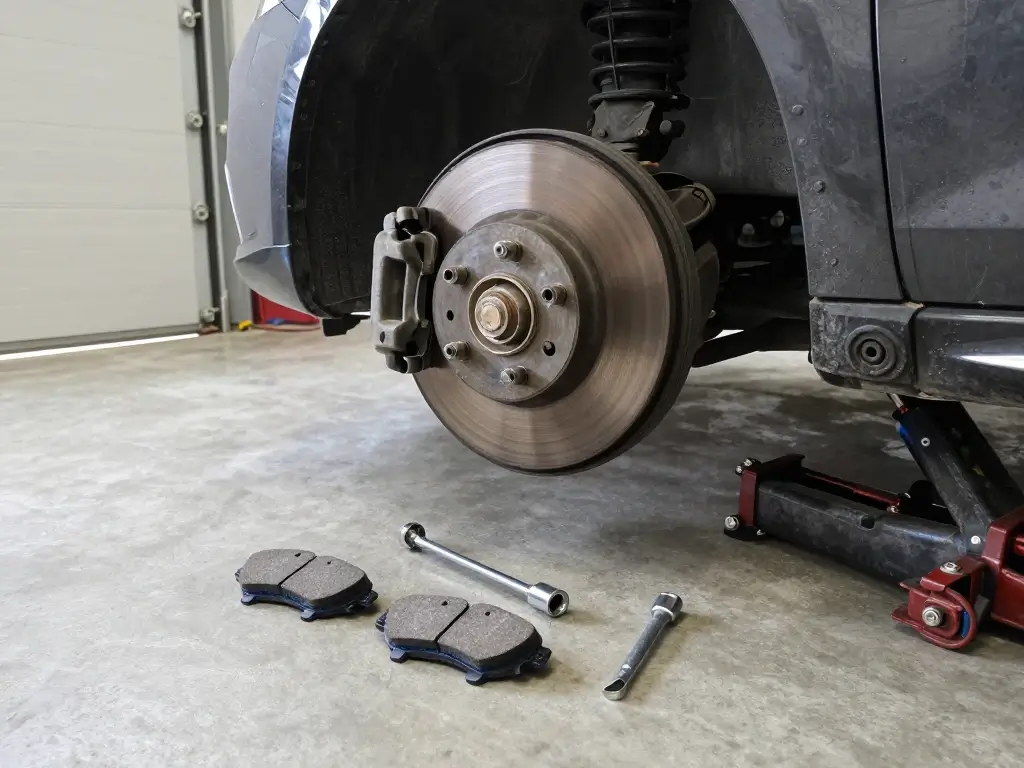
Start by lifting the car with a jack. Then remove the wheel and unscrew the caliper to remove the old brake pads. Pay attention to any damage to the rotors or brake calipers.
4. Installing New Brake Pads on Your Audi
Once the old brake pads are removed, install the new ones, ensuring that they fit securely in place. Apply lubrication to the back of the pads to reduce friction and noise.
Audi Brake Pad Lifespan Chart and Brake Fluid Levels
(Image Placeholder 4: Brake pad lifespan chart)
Brake Pad Lifespan Chart
| Driving Style | Brake Pad Lifespan |
| Normal | 30,000-70,000 miles |
| Aggressive | 20,000-30,000 miles |
| City Driving | 25,000-50,000 miles |
| Highway Driving | 40,000-70,000 miles |
Brake Fluid Levels for Audi Cars
Ideal Brake Fluid Levels:
- Full: 0.5 – 1.0 inch above the minimum line.
- Low: Below the minimum line – need to top up immediately.
Common Audi Brake Problems and How to Fix Them
1. Squeaky Audi Brakes
If your Audi brakes are squeaking, it usually means the brake pads are worn out. Squeaky brakes are often caused by a lack of lubrication, dirt, or the pads themselves being too thin.
Tip: Clean your brake pads or replace them as necessary.
2. Audi Brake Pedal Feels Soft
A soft brake pedal is typically caused by low brake fluid, air in the brake lines, or worn-out brake components. If this happens, check the fluid levels and inspect the brake system.
3. Audi Shaking When Braking
If your Audi shakes when braking, it could be due to warped brake rotors. You may need to replace the brake rotors if they are damaged.
When to Call a Professional for Audi Brake Repair
If you’re experiencing severe brake issues, such as a brake warning light that won’t go off, or if the brake pedal is too soft, it’s time to call a professional mechanic. Quick Car Fixer offers professional Audi brake service in Dubai.
Why Regular Audi Brake Maintenance is Crucial
Regular maintenance helps avoid expensive repairs and ensures your Audi brake system is working at full capacity. Audi brake repair can be straightforward if you maintain your brake pads, rotors, and brake fluid regularly.
FAQs
Q: Why are my Audi brakes making noise?
A: Audi brakes making noise could be due to worn-out brake pads, dirt, or moisture in the system. Inspect your brake pads regularly to ensure they are in good condition. For more details, check out this blog on brake repairs.
Q: Can I drive my Audi if the brake warning light is on?
A: It’s unsafe to drive with the Audi brake warning light on, as it could indicate a serious issue such as low brake fluid or worn brake pads. Schedule a brake inspection immediately.
Q: How often should Audi brake fluid be changed?
A: Audi brake fluid should be changed every 2 years, or when it looks contaminated or discolored. Regular changes ensure safe and responsive braking.
Q: When should Audi brake pads be replaced?
A: Audi brake pads should be replaced when they are worn down to 3 mm or less. Check your brake pads at least once a year to avoid damage to the brake rotors.
Keep Your Audi Safe with Proper Brake Maintenance
Maintaining your Audi brakes is essential for your safety and the longevity of your vehicle. Regular Audi brake repair and timely brake pad replacement will ensure smooth, safe driving. Don’t wait for the brake warning light to turn on. Schedule your Audi brake service in Dubai today.
Need professional Audi brake repair? Book your service now at Quick Car Fixer.